Be yourself; Everyone else is already taken.
— Oscar Wilde.
This is the first post on my new blog. I’m just getting this new blog going, so stay tuned for more. Subscribe below to get notified when I post new updates.
This blog documents my personal experiences as I travel and further my education as an undergraduate student at Virginia Wesleyan University as a Batten Honors College student.
Be yourself; Everyone else is already taken.
— Oscar Wilde.
This is the first post on my new blog. I’m just getting this new blog going, so stay tuned for more. Subscribe below to get notified when I post new updates.
Picture: Basilica of Annunciation
Picture: Qumran
Picture: Basilica of Annunciation Stained-Glass Window 1
Picture: Basilica of Annunciation Stained-Glass Window 2
Picture: Inside Palestinian Refugee Camp
Picture: Banksy. Loss of Palestinian Identity
Picture: The Separation Wall
Picture: Church of The Nativity
Picture: Ethiopian Monastery
Picture: Dome of The Rock
Picture: The Western Wall
Picture: Church of the Holy Sepulchre
Picture: Church of All Nations
Picture: The Old City of Jerusalem with Dome of the Rock in view.
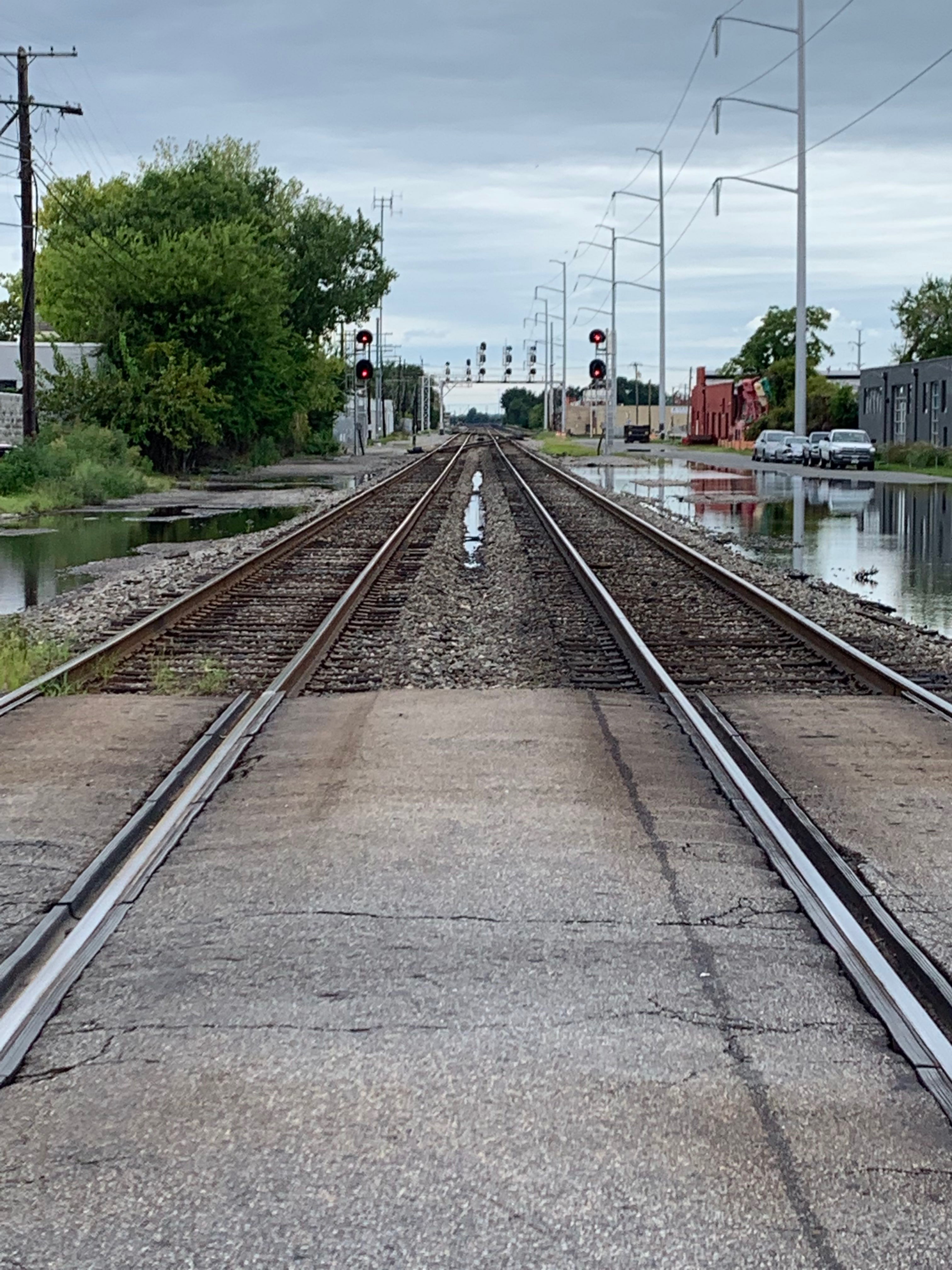
Having only just moved to the East Coast from the Midwest, I was unsure of the appropriate mannerisms to adopt while exploring the city of Norfolk, Virginia for the first time. I grew up learning to talk to other individuals and to be intentionally interested in their conversation to eliminate any discomfort around strangers. However, I experienced a different type of peace and composure while on the train heading into Norfolk. Music completely transformed the atmosphere on the train. Of course, people of all ages listen to a diverse variety of music, but I quickly learned that the people of Norfolk are engrossed with their music. While sitting and conversing with my peers, I noticed that nearly every individual that stepped on the train had headphones on and were either softly singing to or swaying to the beat of their music. A small family with toddlers boarded the train, and even they were listening to music, and their children were dancing freely. The change was minuscule when compared to train rides in cities such as Chicago or Milwaukee, but I appreciated seeing strangers enjoy themselves without having to talk to others. Heading into the city, I was surprised to see the train combine with other forms of transportation. The train went through the streets of the town almost like a streetcar, prompting me to remember New Orleans’ transportation in which streetcars often caused problems with automobile traffic. Another element of the city I noticed was a large amount of open space between buildings and homes. Twenty-foot big banks loomed over the train but were spread apart from each other by open fields of grass, giving the city a welcoming atmosphere. Norfolk seemed relatively clean, well-groomed, and calm despite the usual bustle of city life. After experiencing all this, I was more than ready to get off the train and see what Norfolk had to offer.
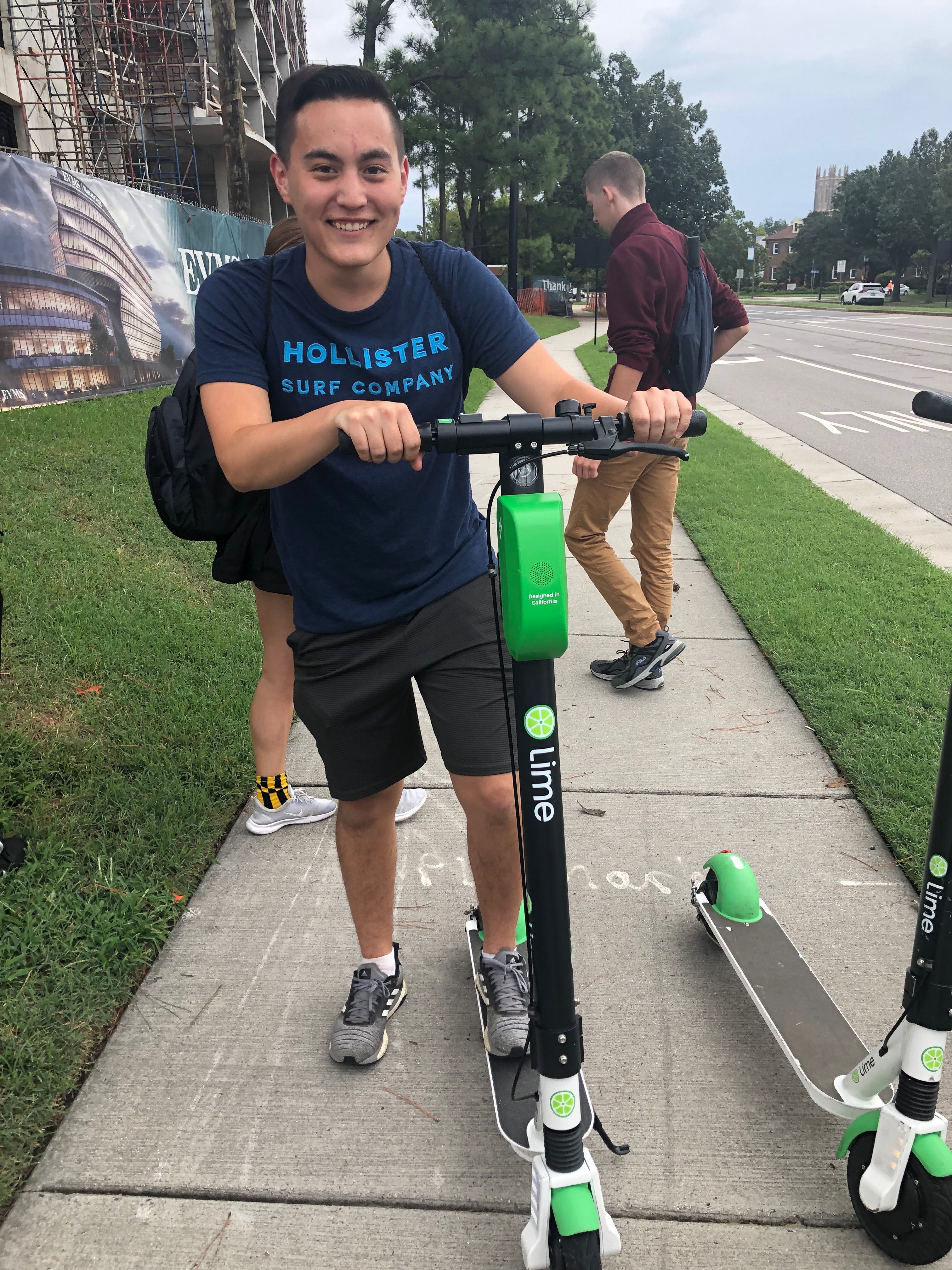
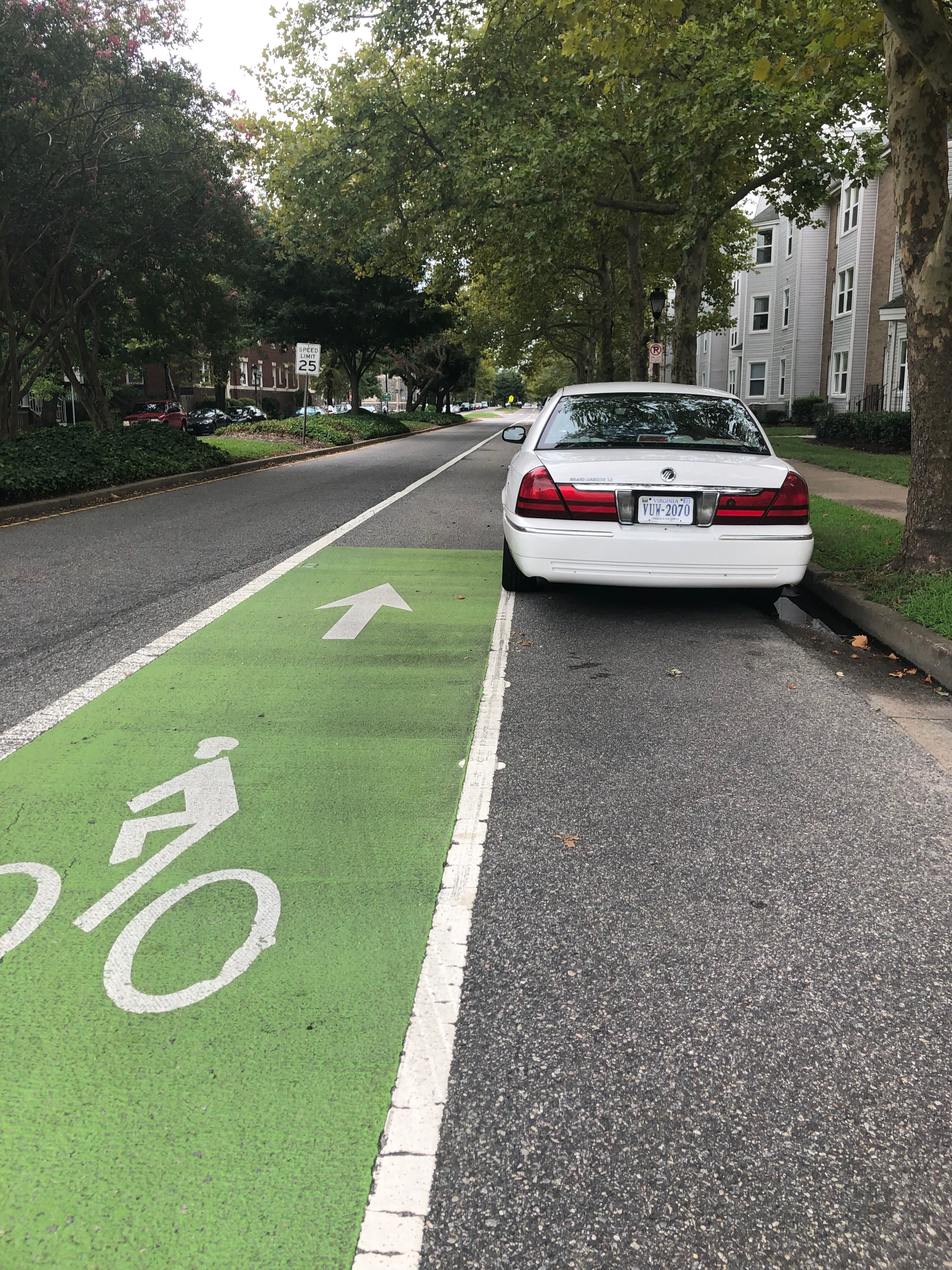
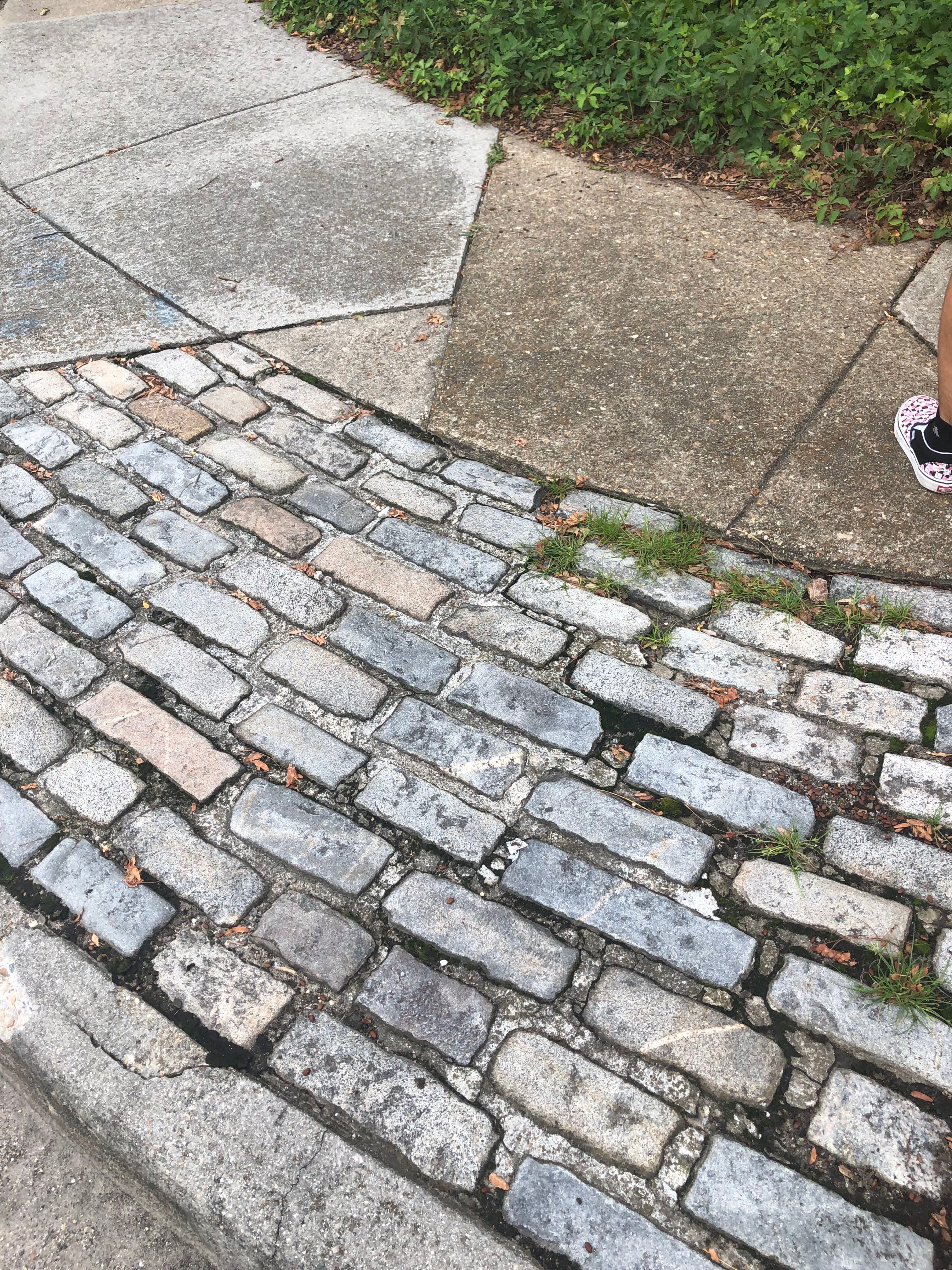
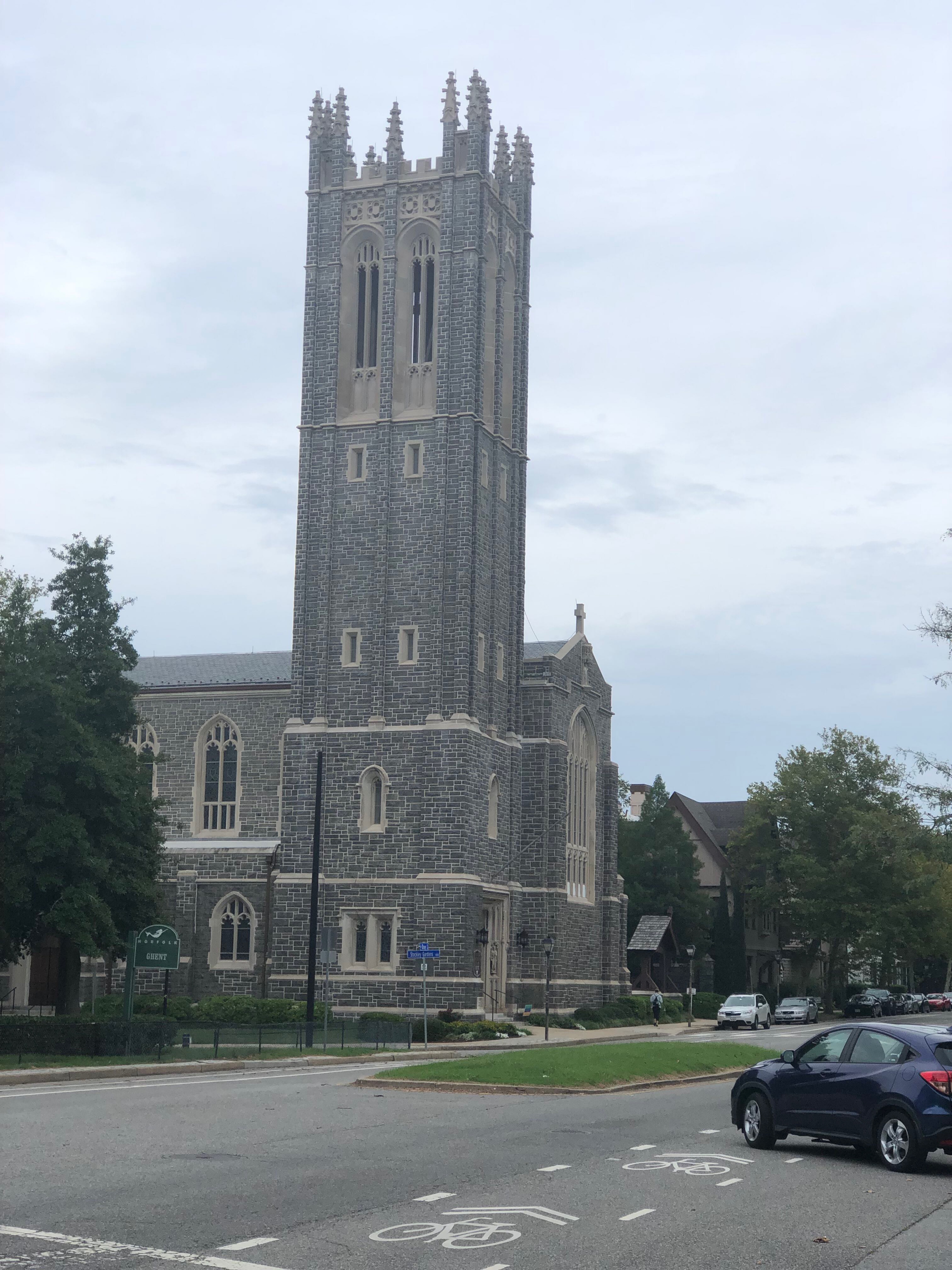
Our group of fourteen college students must have been an exciting sight for the citizens of Norfolk as we got off at the EVMC station to start our adventure for the day. My roommate, Emily, and I had planned an unconventional tour of Norfolk, beginning our experience of the city walking past the EVMC centers and into residential Norfolk. A few members of our sightseeing group immediately pointed out the green electric scooters that were parked in the middle of the sidewalk. I noticed that these scooters were well used by the residents of the city. Also, on several of the streets, there were green lanes on the right end of the street that allowed individuals to cycle safely on the road. Both the scooters and the bicycle lanes seemed to indicate that the people of Norfolk remain active and are often outside. In Chicago, a tourist could not seldom find an electric scooter because people do not prefer to travel outside due to the cold weather. Another comparison I quickly made to Chicago was the old age and development of the area. The brick layout embedded into the sidewalk indicated the longevity of Norfolk’s existence, while several cranes around the train station hinted at new development around the city. I found that a clash between “old” and “new” existed throughout Norfolk. This was mainly reflected in the neighborhoods. West Olney Street and the houses along that particular street sported white columns and, as Emily described it, “cookie-cutter” homes. As our group walked further toward Catnip Cafe, the sidewalks became more uneven, and the large neat houses and apartment complexes turned into smaller, unkempt homes. The element of Norfolk that remained the same despite the state of each neighborhood was the presence of churches on every corner. Within two blocks, our group encountered six churches, each having a different denomination of Christianity. Ultimately, I thought the churches’ architectural design and artistic elements added to the personality and cleanliness of Norfolk.
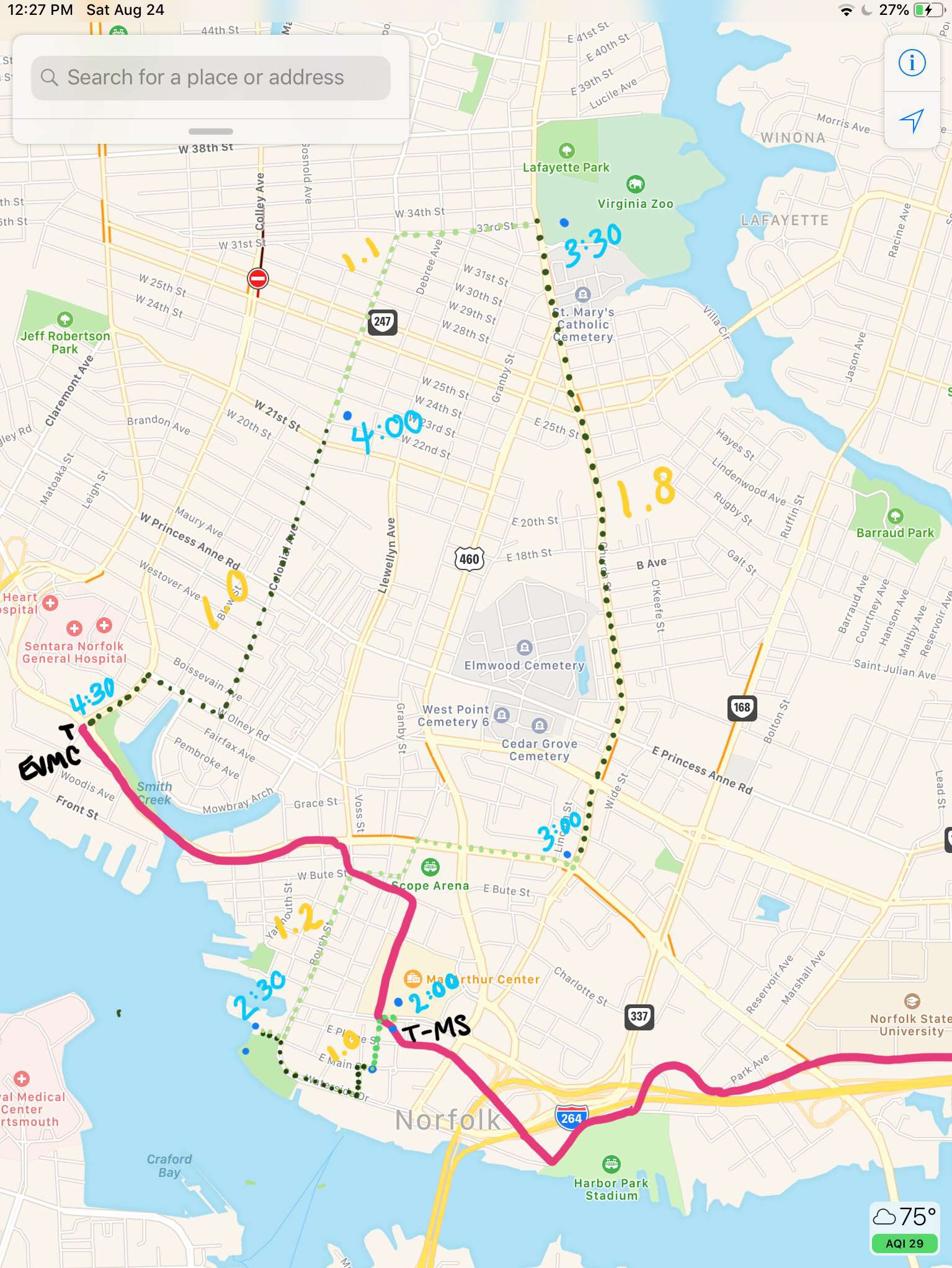
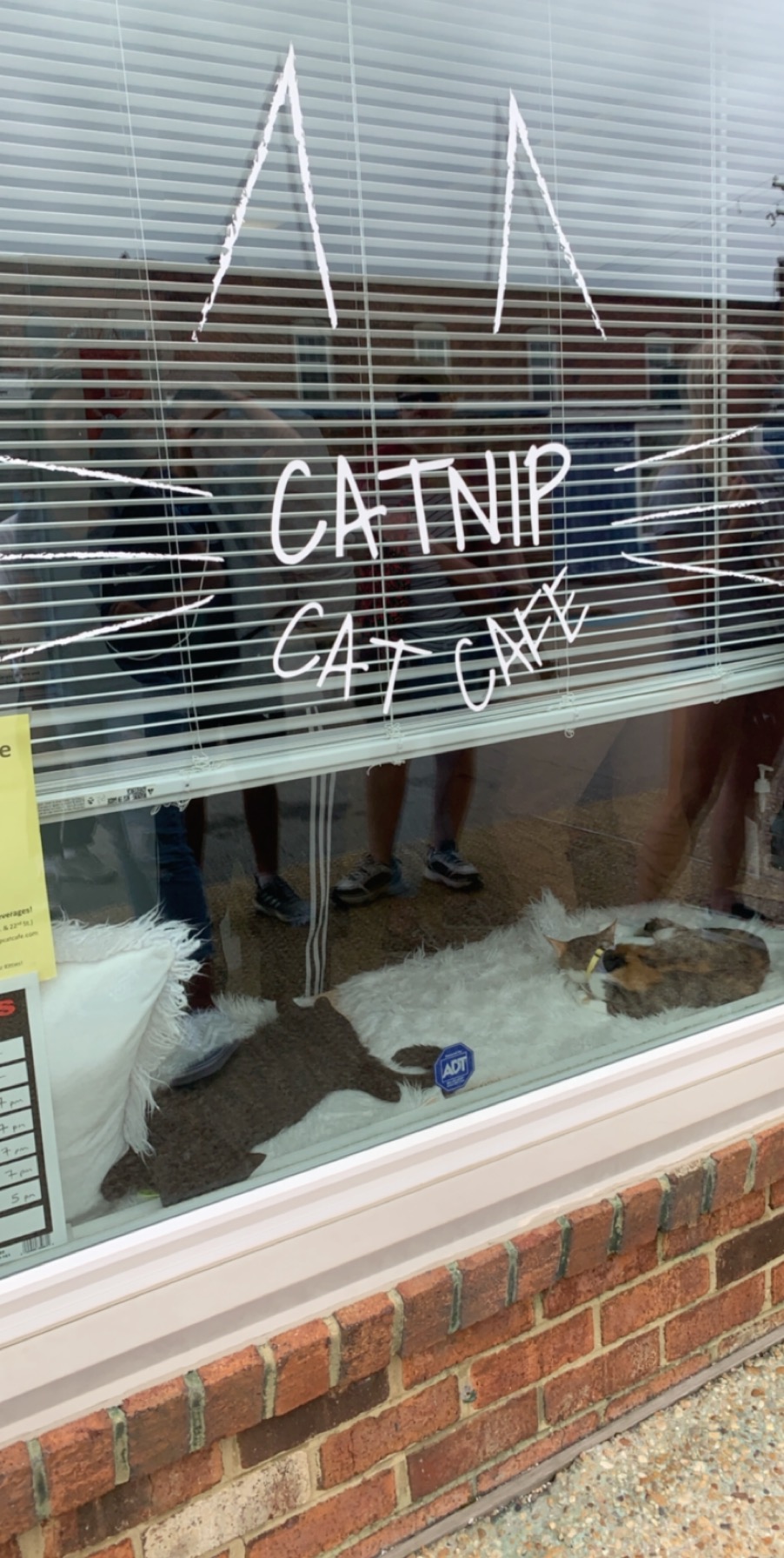
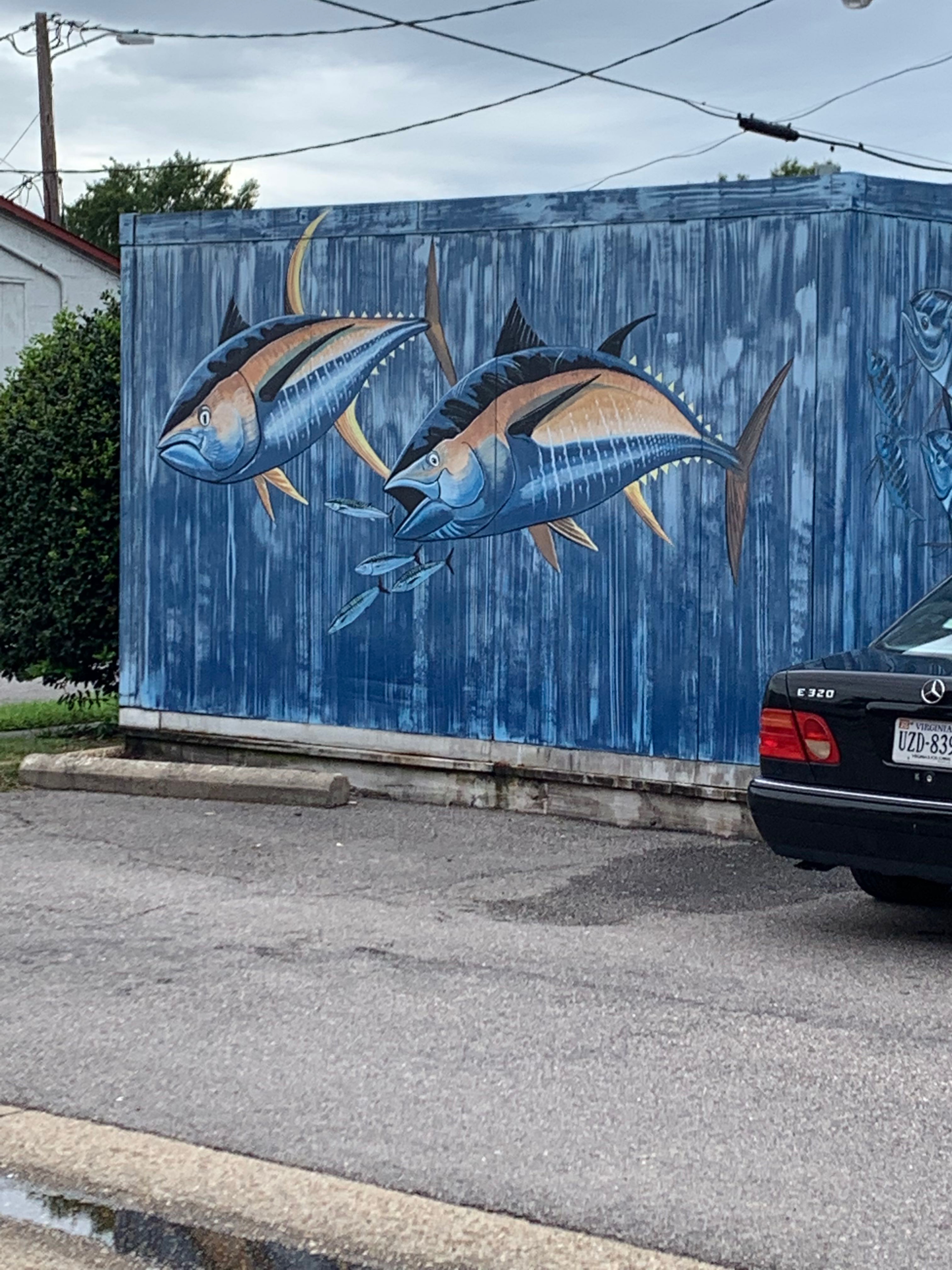
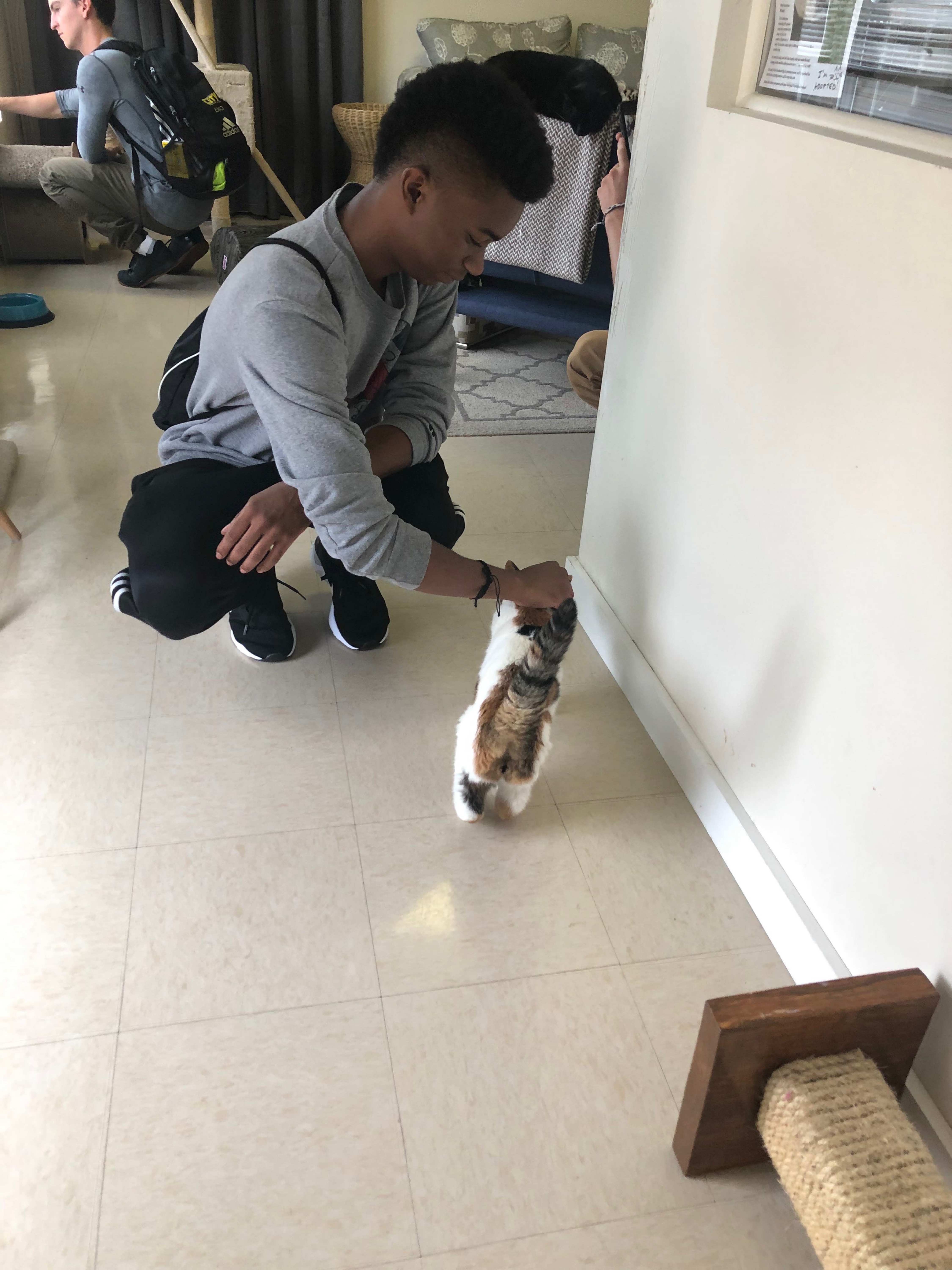
I was impressed by the number of thriving local businesses throughout several areas of Norfolk. While the city did not seem extremely safe, the Catnip Cafe appeared to be a popular site for the locals. Elijah, one of the members in our walking group, was elated to meet the cats in the cafe, and the owner was kind enough to let several members of our group tour the cafe without a reservation. Others, however, such as Jack and I, preferred to remain outside the cafe as we are allergic to cats. While outside, we viewed a mural of two marlins, which was fitting because a marlin is our school mascot. This mural, along with other pieces of art along the street, hinted at the sizeable Naval presence in Norfolk, which I was told is a staple of Norfolk culture. After remaining at the Catnip Cafe for about ten minutes, our group walked back in the direction of the oceanfront at Norfolk. On our way back, we encountered several abandoned buildings and even one large, abandoned church. Another one of my friends, Eric, and I were the only two brave enough – or some would say stupid enough – to venture up to the large building to peek inside a hole in the side door. We found several pieces of old furniture and trash inside; I guessed that this was a shelter for homeless people. This, along with several police sirens throughout the day, hinted at the obscure criminal side of Norfolk life. While I was left unnerved by the amount of police that was needed, I was thankful to experience this side of Norfolk. When showing off a city, young adults such as myself are often sheltered from the crime and issues in a town. Ironically, this small but essential detail made me feel more at home in Norfolk because I could understand that there were both successful and afflicted sides to Norfolk. This painted a full picture of the city rather than a fake picture-perfect mural that tourists often experience.
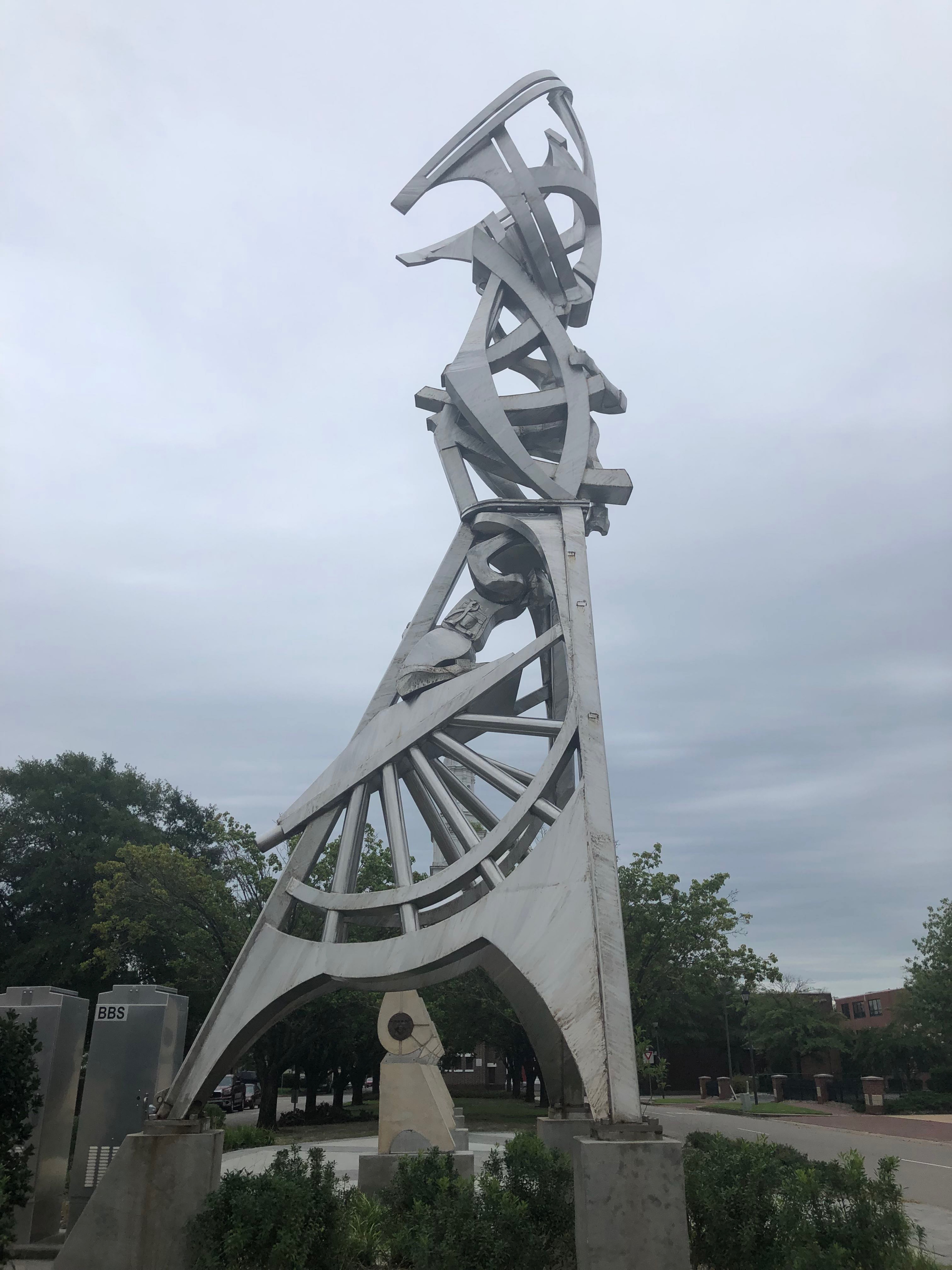
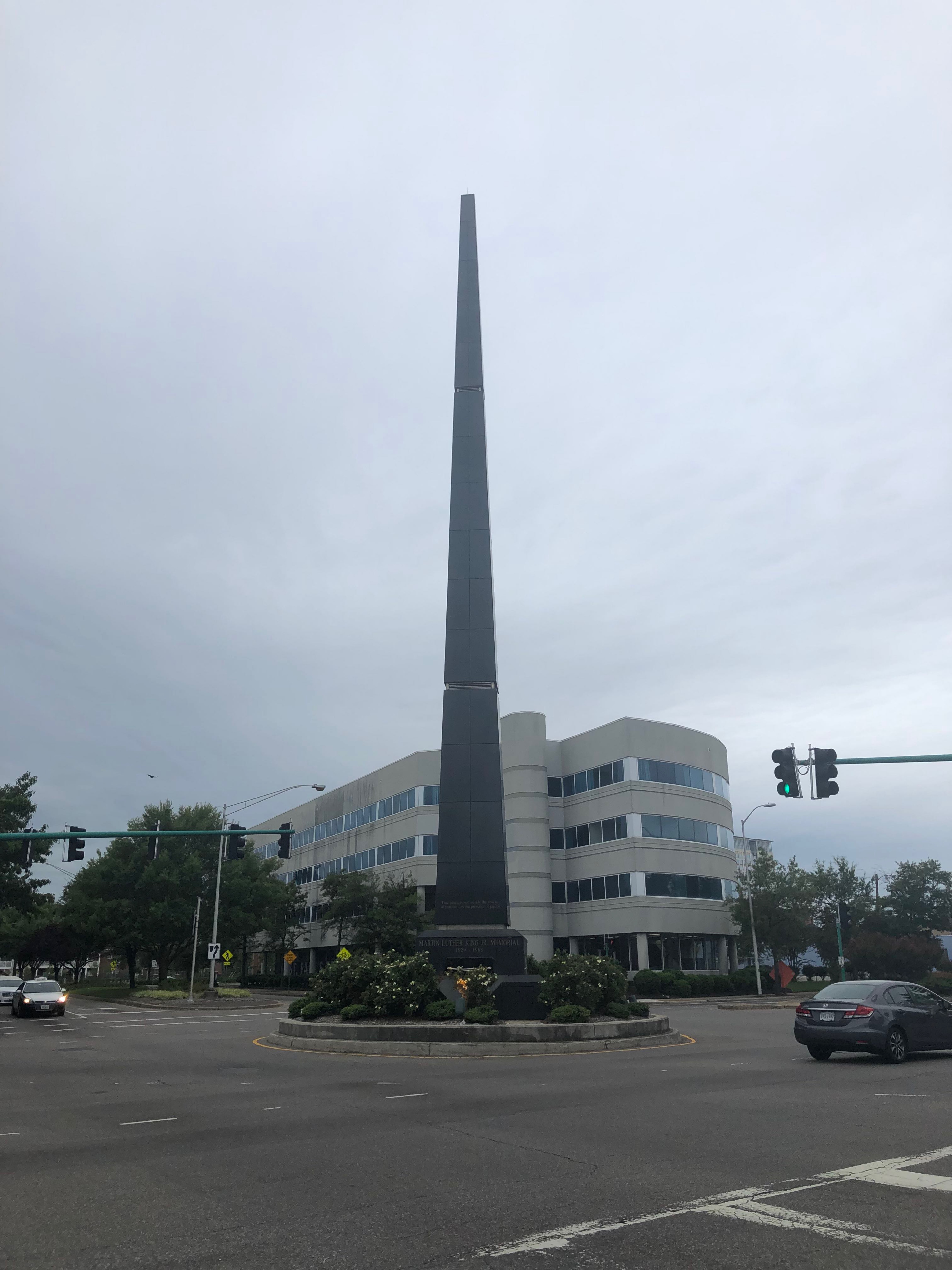
As a self-proclaimed historical nerd, I was elated to see several memorials on our group’s way back toward the oceanfront. We briefly stopped at the Virginia Zoo and continued on to see Cannonball Trail as well as the Martin Luther King Monument. After seeing these sights, our college students were standing at one particularly long stoplight. A man, who seemed to be between his mid-sixties, stopped and gaped at us students, who were waiting to cross the street. I used his interest in our group to stick to my roots and begin a conversation with a stranger. One member of our group, Jack, had tried and failed to talk to someone on the street beforehand, but was unsuccessful. Nearly everyone we encountered was polite and bid all of us a good afternoon, but were not interested enough to hold a conversation. However, this man began to explain that he had lived and worked in the Norfolk area since 1972. When I asked about the changes in the city, he seemed optimistic about Norfolk’s development, saying the educational system was the element of Norfolk life that had experienced the most significant and most positive change. The old man’s willingness to speak with me, as well as the “good afternoon” from several individuals along the street, made Norfolk seem welcoming and warm, which is a reason in itself to visit the city.
Due to a soccer scrimmage, I had to leave without experiencing the rest of Norfolk. I was disappointed not to be able to go inside the MacArthur Mall, experience the oceanfront and Neon district, and see the other elements of downtown Norfolk. However, upon reflection of my trip on the train ride back to Newtown Station, I realized that I had a unique first encounter with the city of Norfolk. I feel that I have gotten to experience the real residential life and state of the area within a few hours of being in the city. While I look forward to seeing the more well-known tourist attractions of Norfolk, I will always remember my first tour around Norfolk to be eye-opening and an excellent reminder for a new college student that the real world, and all of its’ issues, exists outside of Virginia Wesleyan University.
This is an example post, originally published as part of Blogging University. Enroll in one of our ten programs, and start your blog right.
You’re going to publish a post today. Don’t worry about how your blog looks. Don’t worry if you haven’t given it a name yet, or you’re feeling overwhelmed. Just click the “New Post” button, and tell us why you’re here.
Why do this?
The post can be short or long, a personal intro to your life or a bloggy mission statement, a manifesto for the future or a simple outline of your the types of things you hope to publish.
To help you get started, here are a few questions:
You’re not locked into any of this; one of the wonderful things about blogs is how they constantly evolve as we learn, grow, and interact with one another — but it’s good to know where and why you started, and articulating your goals may just give you a few other post ideas.
Can’t think how to get started? Just write the first thing that pops into your head. Anne Lamott, author of a book on writing we love, says that you need to give yourself permission to write a “crappy first draft”. Anne makes a great point — just start writing, and worry about editing it later.
When you’re ready to publish, give your post three to five tags that describe your blog’s focus — writing, photography, fiction, parenting, food, cars, movies, sports, whatever. These tags will help others who care about your topics find you in the Reader. Make sure one of the tags is “zerotohero,” so other new bloggers can find you, too.
Have a WordPress.com account? Log in now.


